

 Image 1 of 2
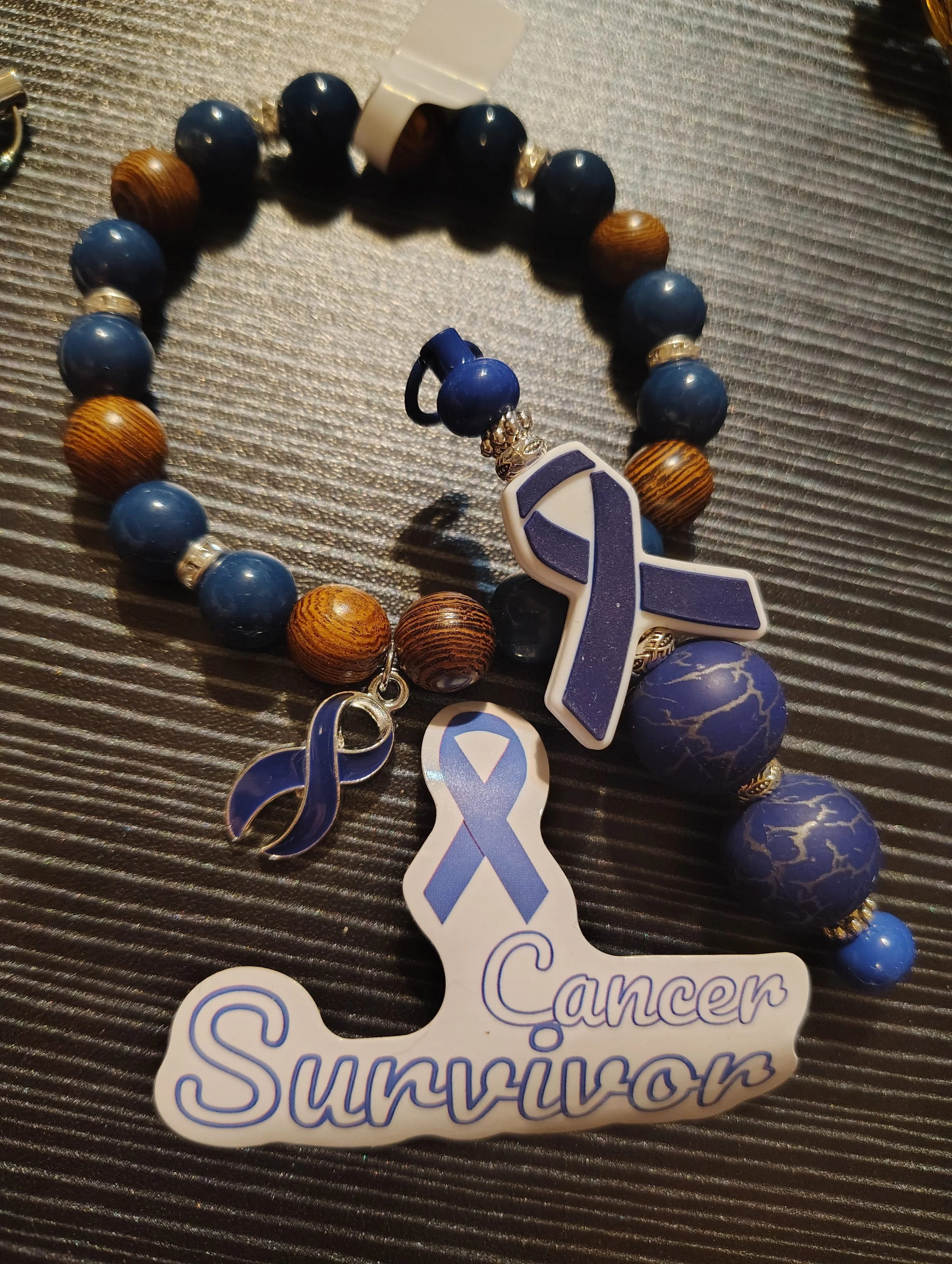 Image 2 of 2
What is colon cancer?
Colon cancer (also called colorectal cancer when it involves the rectum) begins in the large intestine. It often starts as small, noncancerous clumps of cells called polyps that can become cancerous over time.
Who is at risk?
Age 45 and older is the primary risk group; risk increases with age.
Personal or family history of colorectal polyps or colorectal cancer.
Inherited syndromes such as Lynch syndrome or familial adenomatous polyposis.
Inflammatory bowel diseases like Crohn’s disease or ulcerative colitis.
Lifestyle factors: smoking, heavy alcohol use, low-fiber/high-red-meat diet, physical inactivity, obesity, and type 2 diabetes.
For more information go to https://colorectalcancer.org/
What is colon cancer?
Colon cancer (also called colorectal cancer when it involves the rectum) begins in the large intestine. It often starts as small, noncancerous clumps of cells called polyps that can become cancerous over time.
Who is at risk?
Age 45 and older is the primary risk group; risk increases with age.
Personal or family history of colorectal polyps or colorectal cancer.
Inherited syndromes such as Lynch syndrome or familial adenomatous polyposis.
Inflammatory bowel diseases like Crohn’s disease or ulcerative colitis.
Lifestyle factors: smoking, heavy alcohol use, low-fiber/high-red-meat diet, physical inactivity, obesity, and type 2 diabetes.
For more information go to https://colorectalcancer.org/